




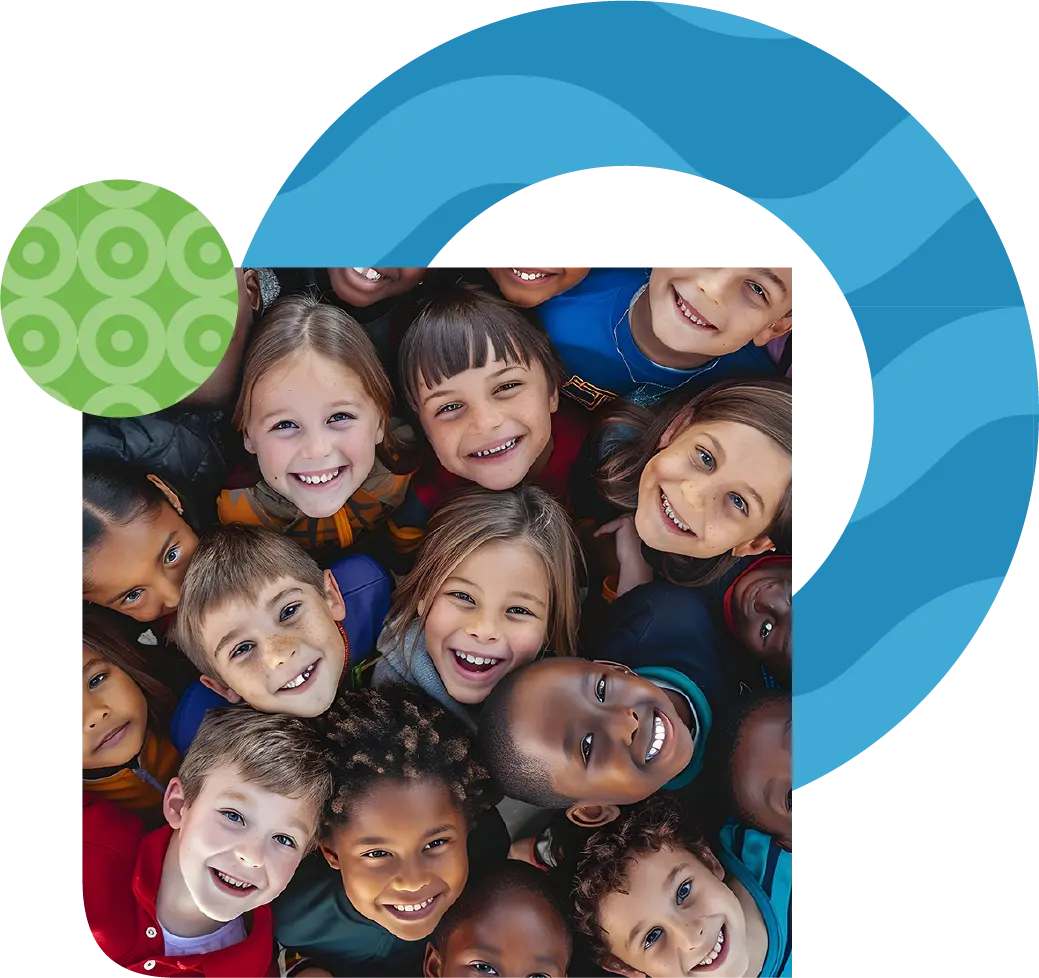
The United Nations Convention on the Rights of the Child (UNCRC) is a global treaty, ratified by nearly every country, that sets out the civil, political, economic, social and cultural rights of children. It makes clear that children are human beings first and foremost – they are not simply the “future” but beings with rights now.
In Jersey, these rights shape how we think about children’s lives – from the right to be safe, to express views, to education, to adequate health and care – and they guide our work. Putting rights into practice means ensuring that decisions, services and laws affecting children respect principles like non-discrimination, best interests of the child, survival and development, and children’s participation.
The UNCRC affects what governments and organisations must do: they must take children’s rights seriously, create the systems and services that allow children to enjoy their rights, and remove obstacles that prevent children from fulfilling their potential.
Here in Jersey you’ll find accessible information about what your rights are, how they apply in everyday life, and how you can speak up or get support if you think your rights are not being respected. Because when rights are understood and acted upon, children become active participants in shaping their lives – not passive recipients of services.
Child Rights Approach
We use a child rights approach: putting children’s rights, voice and wellbeing at the heart of everything we do – so decisions, services and policies respond directly to children as rights-holders now.

International Work
Working globally and regionally, we engage with networks of children’s rights organisations, share learning across Europe and the UK, and bring international insight to enhance how children’s rights are upheld in Jersey.


Learn more about children’s rights
Children’s rights are part of a global human rights system. The organisations below provide trusted information about the United Nations Convention on the Rights of the Child, how governments are monitored, and what children’s rights mean in practice.
These external resources offer child-friendly guides, official treaty texts, and explanations of how international accountability works.
For young people

UNICEF UK
A Summary of the UNCRC for Children
Child-friendly summaries of each right, with practical examples.
General
United Nations Children's Fund (UNICEF)
Convention on the Rights of the Child – Child-Friendly Overview. Clear explanations of what the Convention means in practice, including child-friendly summaries.
The UN Convention on the Rights of the Child
Office of the United Nations High Commissioner for Human Rights Convention on the Rights of the Child – Full Text & Committee Information. The official UN page containing:
- The full Convention text
- Optional Protocols
- Information on the Committee on the Rights of the Child
- Reporting procedures and Concluding Observations
World Health Organization
Children’s Health & Rights International.
Standards and guidance on child health and development.
International Labour Organization
Child Labour and Children’s Rights.
Information on protection from exploitation.
UNESCO
Right to Education. Global standards and monitoring of education rights.
For Professionals and Policymakers
Office of the United Nations High Commissioner for Human Rights – Convention on the Rights of the Child
The authoritative UN source for:
- The full Convention text
- Optional Protocols
- Reporting procedures
- Concluding Observations
Committee on the Rights of the Child
How Countries Are Reviewed
Explains the UN reporting cycle, State reviews, and follow-up processes.
European Network of Ombudspersons for Children (ENOC)
Monitoring Children’s Rights in Europe
Shows how independent children’s rights institutions monitor and promote implementation across European jurisdictions.
Council of Europe
Child Participation and Rights Resources. Guidance on children’s right to be heard and participate.
What are children’s rights?
- Rights are things every child has. We are all born with them – they do not have to be earned.
- They belong to you – adults and services must respect them.
- They help you grow up safe, happy and healthy.
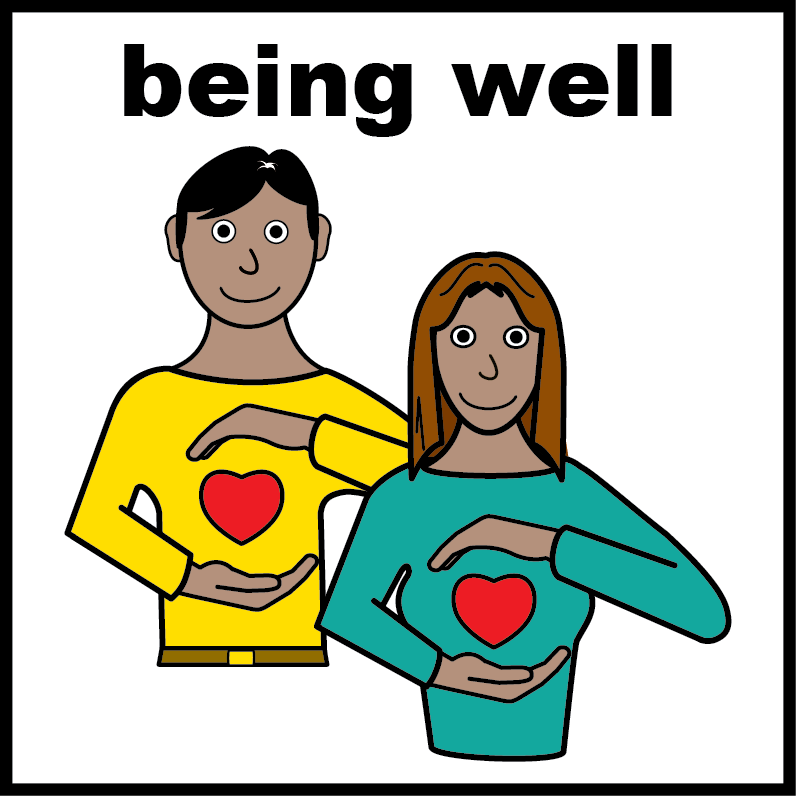
Examples
- A safe home
- Education
- Health care
- Being listened to
- Being treated fairly
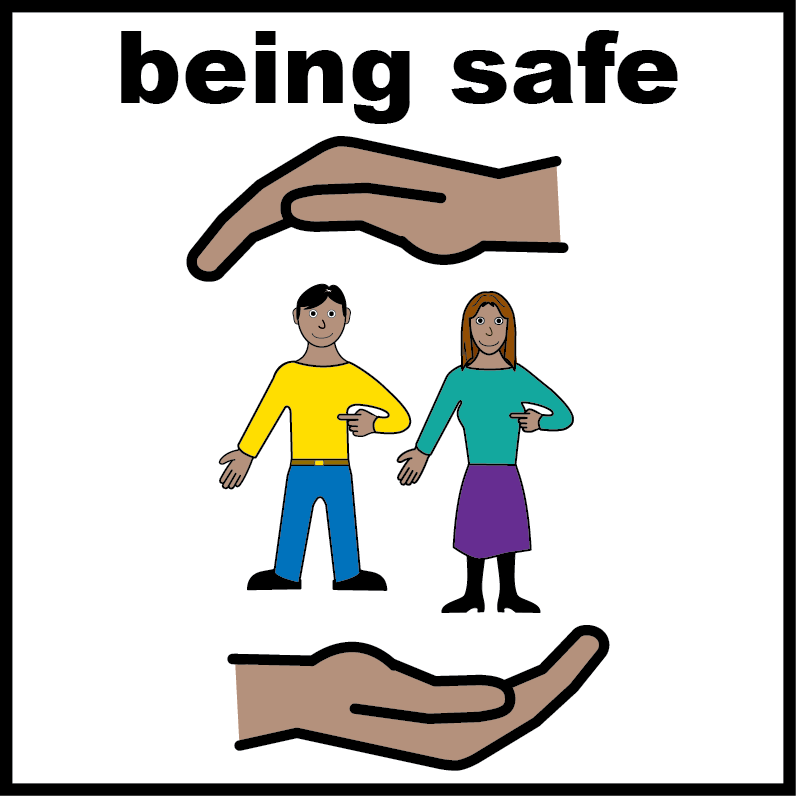
UNCRC
- This is a global agreement.
- It protects children’s rights.
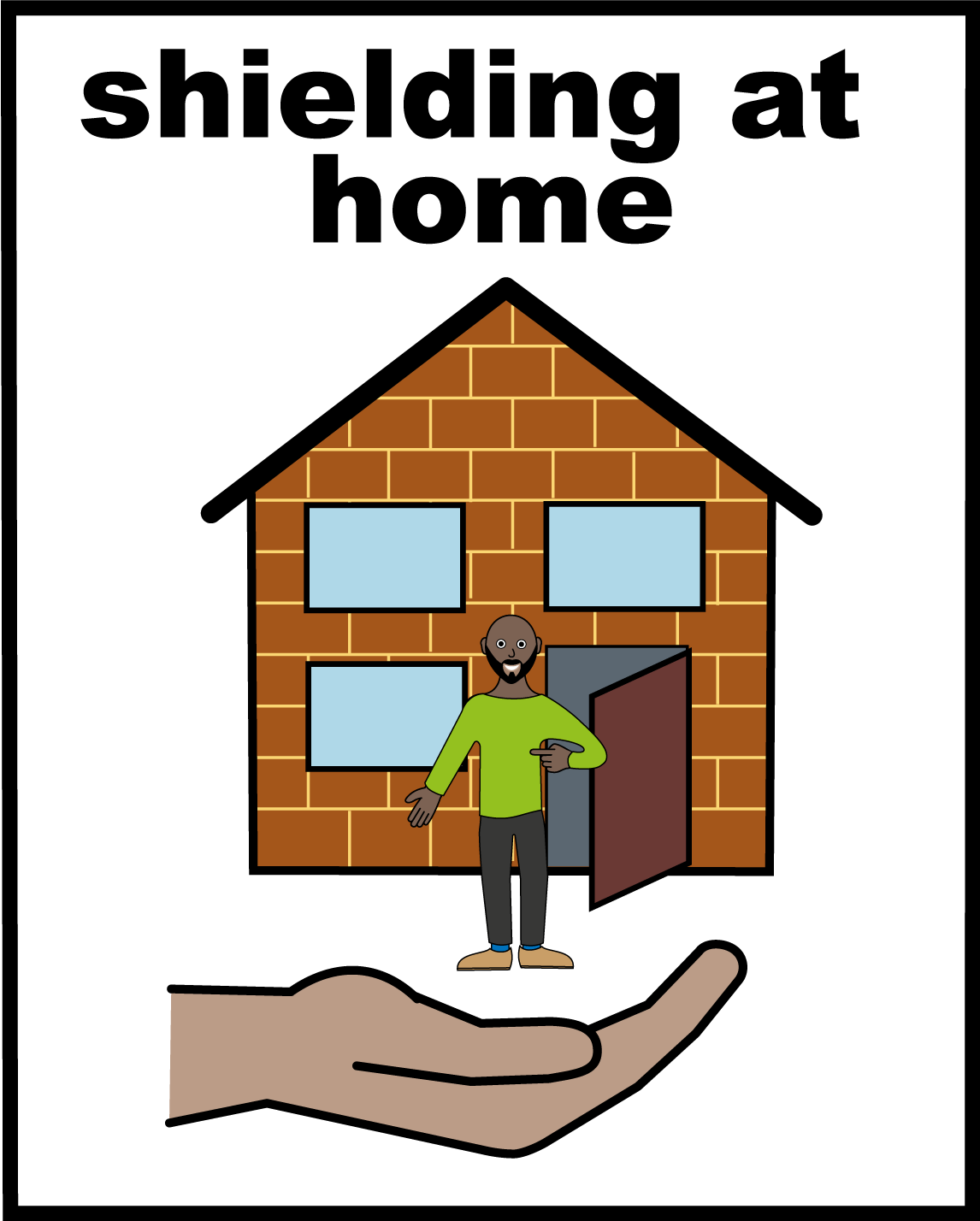
In Jersey
- The government must respect all children’s rights (we check that this is happening).